

Pregnancy after loss is often described as a time of hope – a “rainbow after the storm.” While that can be true, it doesn’t capture the full emotional reality for many mothers.
Alongside hope, there is often fear. Alongside excitement, there is uncertainty. And alongside joy, there can be grief that never fully went away.
Pregnancy after loss is not simply a fresh start. It is a continuation of a story that already holds heartbreak, and the nervous system remembers that.
You can feel grateful and still feel scared. Both can exist at the same time.

Why Pregnancy After Loss Feels So Different
After experiencing miscarriage, stillbirth or infant loss, the emotional landscape of pregnancy changes.
What was once anticipation may now feel like:
- Waiting for something to go wrong
- Holding your breath between appointments
- Struggling to trust your body
- Feeling disconnected from the pregnancy
- Fear of becoming attached
Even routine milestones can feel loaded with anxiety rather than excitement.
Pregnancy after loss is often shaped by a quiet question that lingers in the background:
“What if it happens again?”
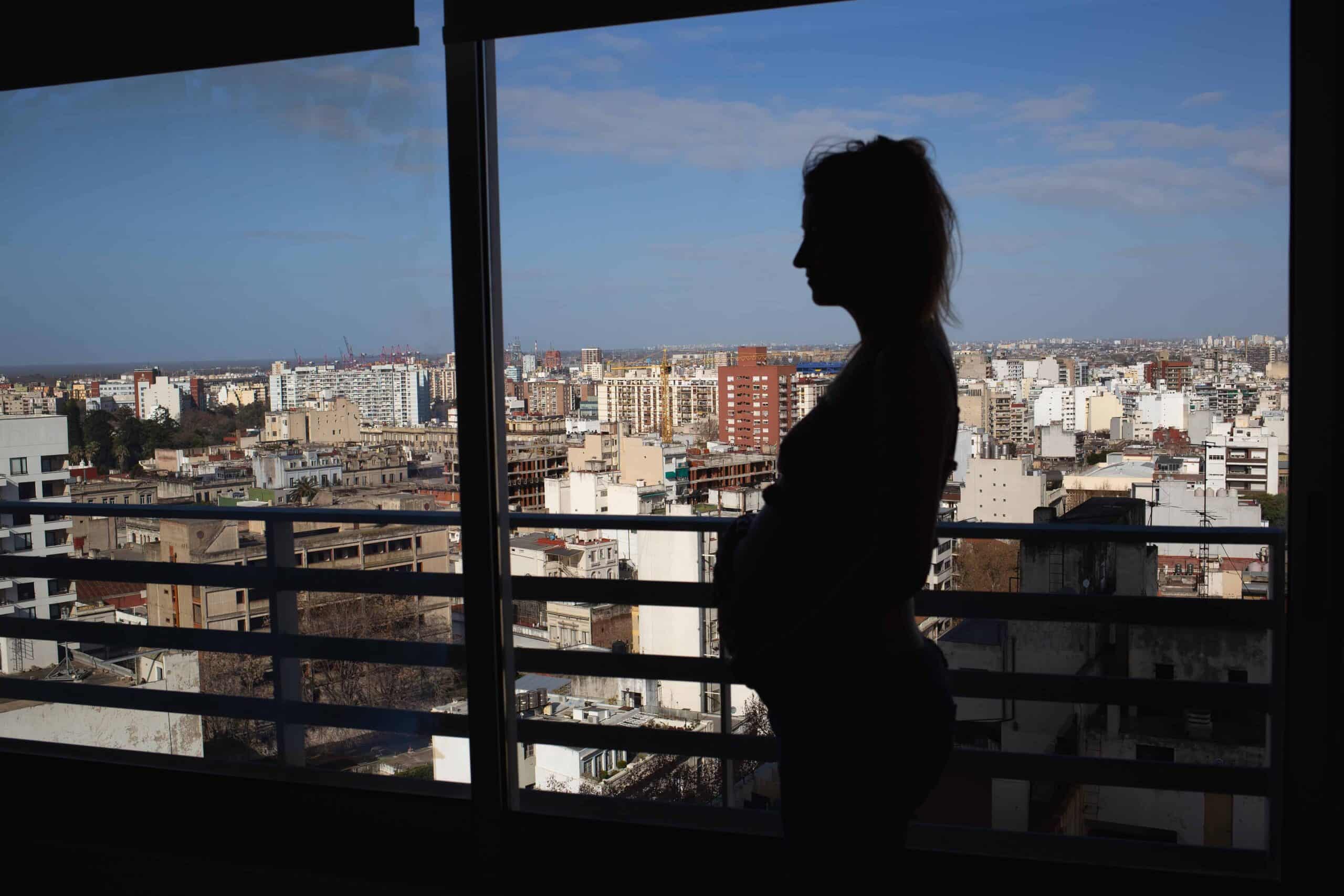
The Nervous System Remembers Loss
Loss is not only processed emotionally – it is stored in the body.
During a previous loss, the nervous system may have experienced:
- Shock
- Fear
- Grief
- Powerlessness
In a subsequent pregnancy, those same systems can reactivate, even when everything is medically progressing well.
This is why many mothers feel:
- Hypervigilant to symptoms
- Anxious between appointments
- Unable to relax or feel reassured
- Emotionally guarded
Understanding pregnancy after loss through a nervous system lens helps reduce self-judgment.

When Joy and Fear Coexist
One of the most confusing parts of pregnancy after loss is the emotional duality.
You may feel:
- Deep love for your baby
- Intense fear of losing them
- Gratitude and dread at the same time
- Hope that feels fragile
Some mothers feel guilty for not being fully joyful. Others feel guilty for moments of hope.
There is no “right” emotional experience.
Holding both joy and fear does not mean something is wrong – it means you have loved before, and your body is trying to protect you from loss again.
Common Emotional Experiences After Loss
Pregnancy after loss can bring a wide range of responses, including:
Hypervigilance
Constant monitoring of symptoms, movements or changes.
Emotional Guarding
Holding back attachment as a way to avoid potential pain.
Anxiety and Intrusive Thoughts
Imagining worst-case scenarios, even when things are going well.
Grief That Resurfaces
Memories of the previous loss may return at unexpected moments.
Difficulty Trusting the Process
Feeling like reassurance is temporary or fragile.
These experiences are not signs of weakness – they are signs of a nervous system trying to make sense of what it has already endured.
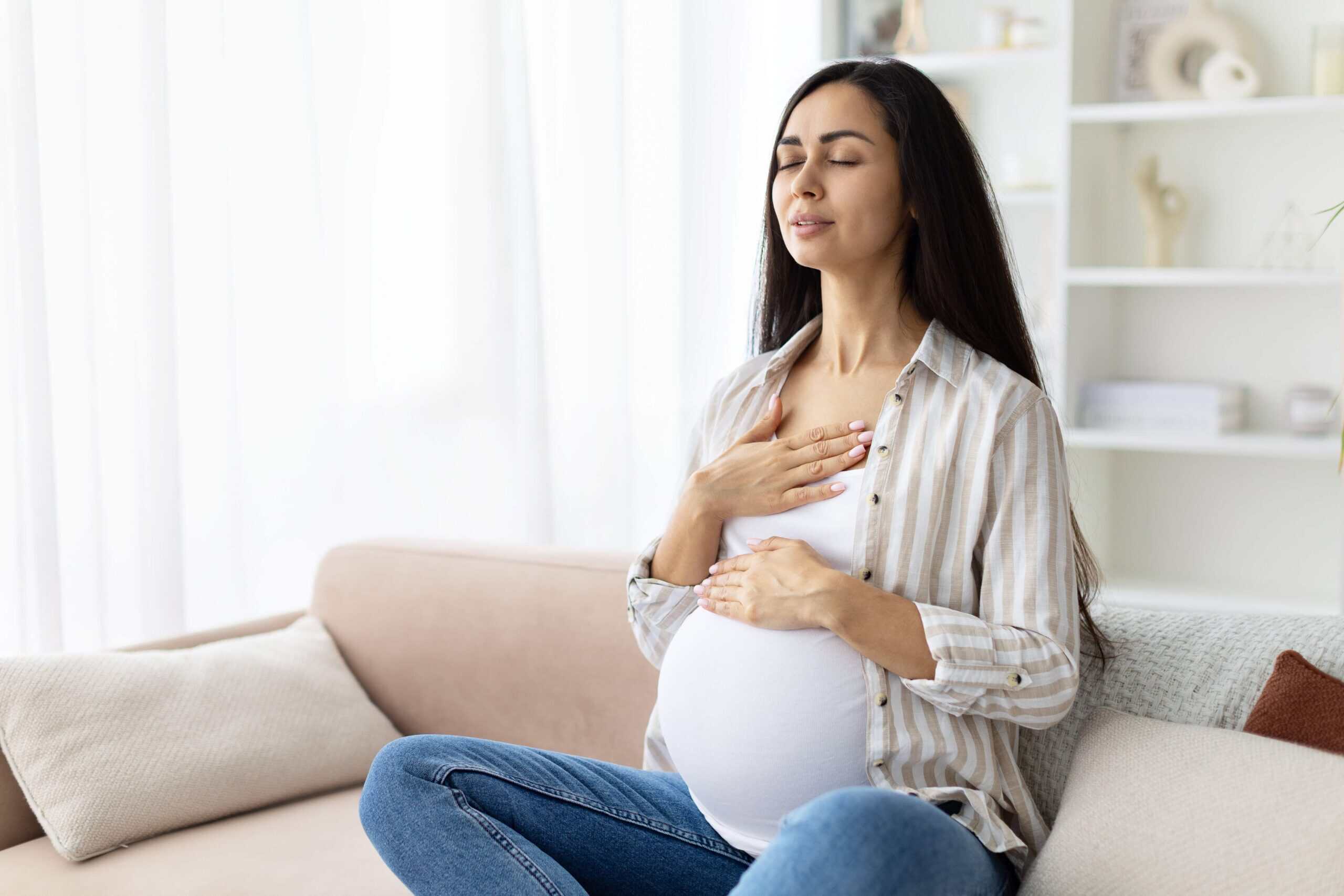
How Therapy Supports Pregnancy After Loss
Therapy provides a space where both the past and present can be acknowledged without pressure to “move on.”
Making Space for Grief
Loss does not disappear when a new pregnancy begins. Therapy helps create space to honor what was lost while also supporting what is unfolding.
Reducing Anxiety and Hypervigilance
Learning how to regulate the nervous system can help reduce constant fear and bring moments of calm.
Processing the Previous Loss
Revisiting the loss in a supported way can help reduce its emotional intensity and ongoing impact.
Strengthening Emotional Connection
Therapy can help mothers feel more present and connected to their current pregnancy, even while uncertainty exists.
How Trauma Therapy Can Help
Pregnancy after loss is not just about managing anxiety – it often involves healing from trauma.
Trauma-informed care helps:
- Address unresolved grief
- Reduce fear-based responses
- Build a sense of internal safety
- Support emotional regulation
- Restore trust in the body over time
Rather than forcing positivity, trauma therapy allows space for the full emotional experience without judgment.

You Are Not Doing This Wrong
There is no perfect way to experience pregnancy after loss.
If you feel anxious, guarded or overwhelmed, it does not mean you are failing. It means you are human, and your body is trying to protect you.
You are allowed to:
- Take things one day at a time
- Feel cautious and hopeful
- Set boundaries around conversations
- Seek reassurance when you need it
- Ask for support
Your experience deserves care, not comparison.
Support for Pregnancy After Loss
At Nova Psychotherapy Services, we provide compassionate, trauma-informed care for individuals navigating pregnancy after loss and other perinatal mental health challenges. Therapy offers a space to process grief, reduce anxiety, and move through this experience with greater support and understanding.
If fear, uncertainty or past loss are making this pregnancy feel overwhelming, support is available to help you feel more grounded, connected and supported along the way.