

Emotional pain is something many men are taught to manage quietly.
They may have learned early on to be strong, stay composed, provide for others and keep moving no matter what they were carrying inside. In many families, workplaces, sports environments, military settings, and cultural communities, vulnerability is often treated as weakness rather than honesty.
But silence is not strength when it comes at the cost of mental health.
Men’s mental health matters not only when someone reaches a crisis point, but in the everyday moments when stress, grief, anxiety, anger, trauma, or loneliness begin to build beneath the surface.
Why Men Often Struggle in Silence
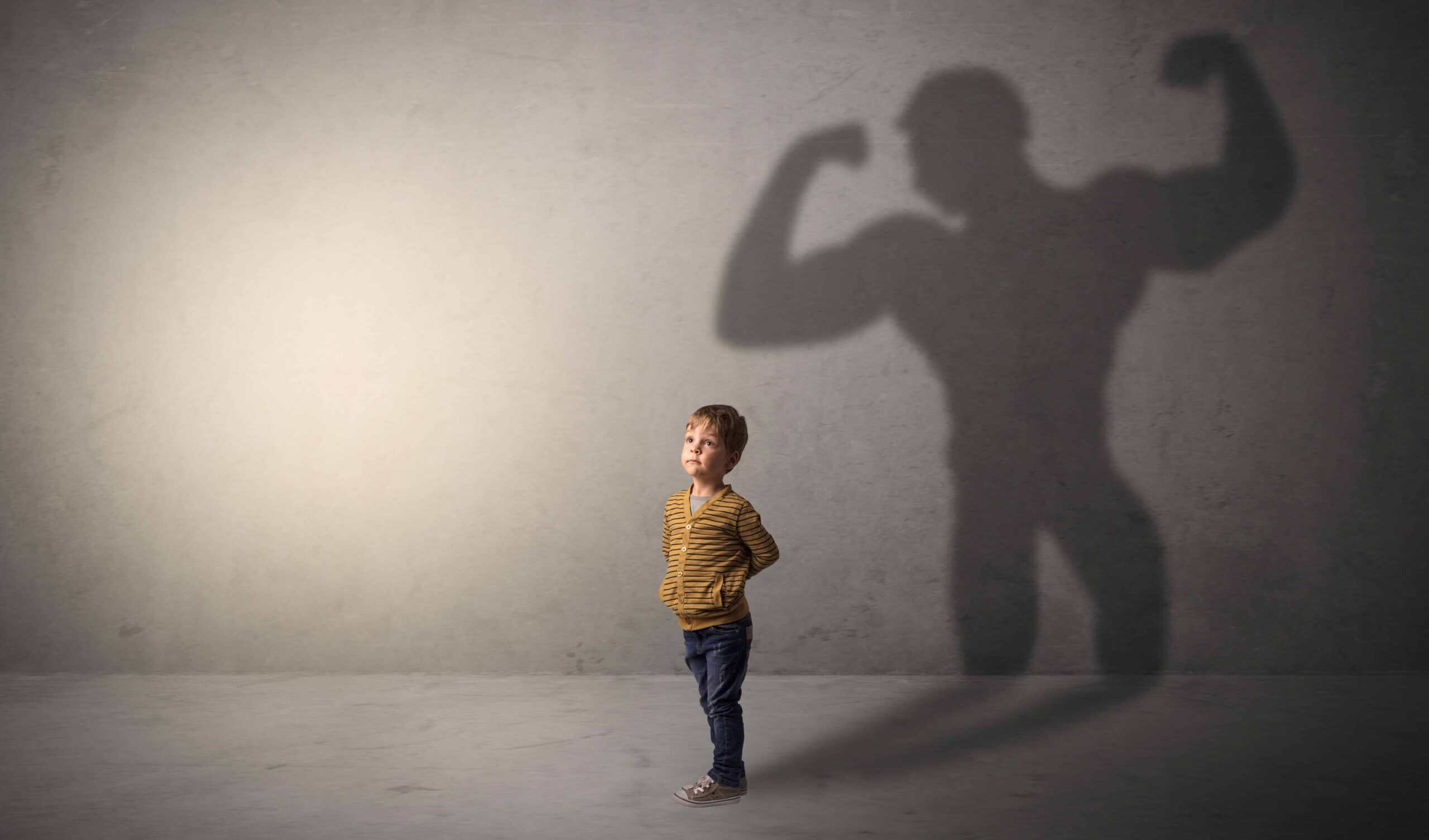
Many men don’t avoid support because they don’t need it. They avoid support because they were never taught that they were allowed to need it.
Messages like these often start young:
- “Man up.”
- “Don’t cry.”
- “Handle it.”
- “Be tough.”
- “Don’t talk about your problems.”
Over time, those messages become internal rules. A man may learn to minimize his pain, disconnect from his emotions, or wait until things feel unbearable before reaching out.
This doesn’t mean men are less emotional. It often means they have had fewer safe spaces to name what they feel.

What ‘Macho Culture’ Really Costs
“Macho culture” often rewards control, toughness and emotional restraint. While resilience and discipline can be valuable, they become harmful when they leave no room for fear, sadness, uncertainty or support.
When men are expected to always be strong, they may feel pressure to hide:
- Anxiety
- Depression
- Trauma
- Relationship stress
- Grief
- Shame
- Burnout
- Parenting struggles
- Identity changes
The cost is often isolation.
A man may appear dependable, productive and composed on the outside while feeling disconnected, exhausted or overwhelmed internally.
How Men’s Mental Health Symptoms Can Look Different
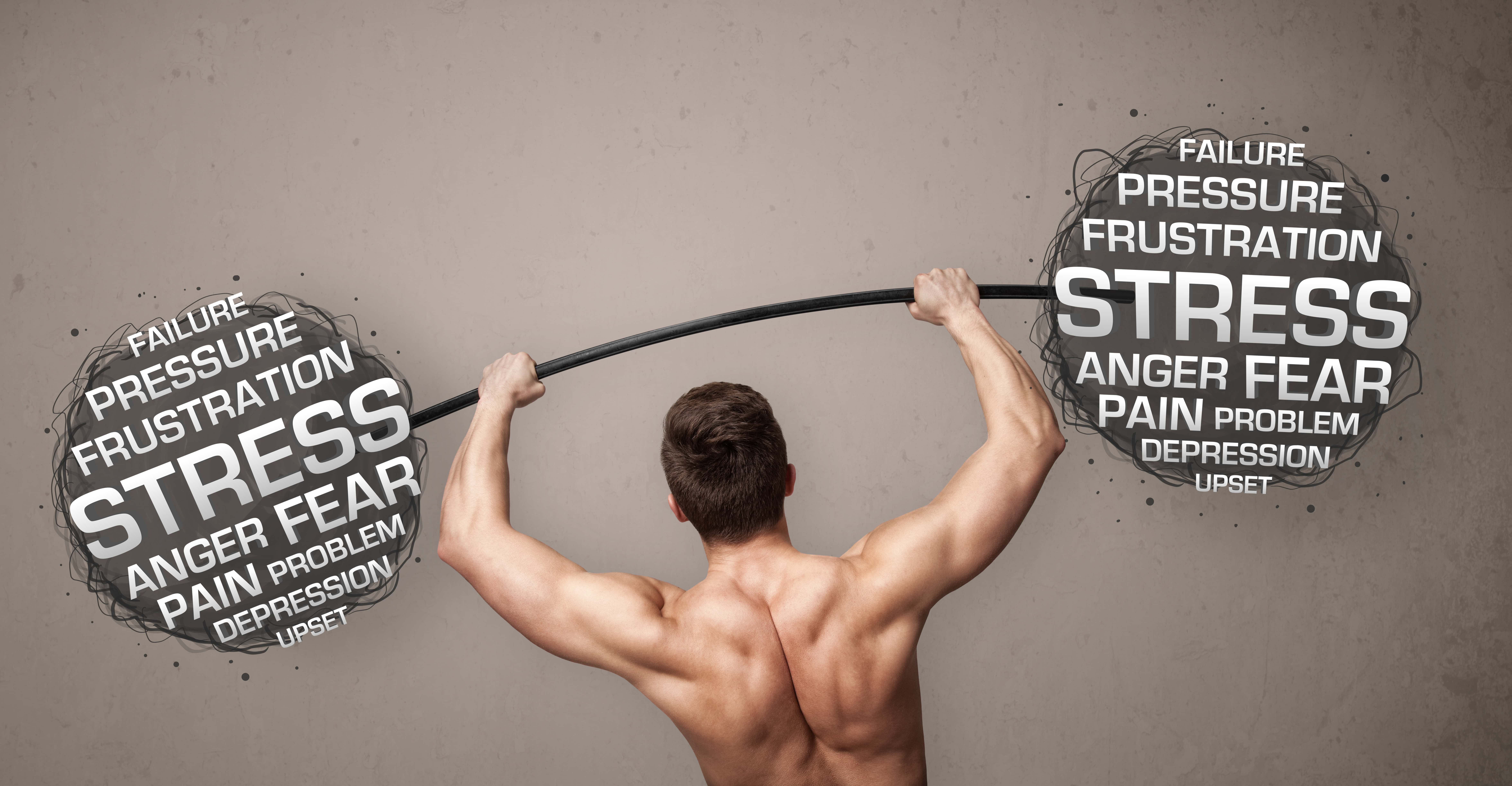
Men’s mental health struggles are sometimes missed because they do not always match common stereotypes of depression or anxiety.
Instead of appearing visibly sad, a man may become:
Irritable or Angry
Anger can sometimes be the emotion that feels safest to express, especially when sadness, fear or shame feel too vulnerable.
Withdrawn
He may pull away from family, friends, hobbies or conversations that require emotional openness.
Overworked
Staying busy can become a way to avoid painful thoughts or feelings.
Numb or Disconnected
Some men describe feeling emotionally flat, detached or like they are “just going through the motions.”
Physically Tense or Exhausted
Stress often shows up in the body through headaches, stomach issues, muscle tension, sleep problems or fatigue.
These signs are not personal failures. They are signals that something needs attention.

The Role of Life Transitions in Men’s Mental Health
Major life transitions can intensify emotional struggles, even for men who are used to keeping things under control.
Transitions such as:
- Becoming a father
- Leaving the military
- Starting or ending a relationship
- Career pressure or job loss
- Divorce
- Aging
- Financial stress
- Loss of identity after a major role change
can bring up questions that are difficult to say out loud:
Who am I now?
Am I doing enough?
What happens if I can’t hold everything together?
Where do I go when I need support?
Life transitions often challenge the version of ourselves we thought we had to be. Therapy can help create space to explore those changes without shame or judgment.
When Trauma Is Hidden Behind Strength
For some men, emotional suppression is connected to trauma.
Trauma does not always look like flashbacks or panic attacks. Sometimes it looks like:
- Hyper-independence
- Difficulty trusting others
- Avoiding vulnerability
- Staying constantly busy
- Reacting strongly to feeling criticized
- Feeling uncomfortable when things are calm
- Believing emotions are unsafe
These patterns may have once helped someone survive, adapt or maintain control. But over time, they can make relationships, parenting, work and self-understanding more difficult.
Trauma therapy helps men explore these patterns with compassion rather than blame. The goal is not to take away strength. It is to expand what strength can include.

Redefining Strength
Real strength is not the absence of emotion.
Strength can look like:
- Being honest about what hurts
- Asking for help before things fall apart
- Learning how to communicate instead of shutting down
- Repairing relationships
- Setting boundaries
- Resting without guilt
- Allowing yourself to be supported
Breaking stigma does not mean abandoning resilience. It means recognizing that resilience includes emotional awareness, connection, and care.
The strongest people are not the ones who never struggle. They are often the ones willing to face what they have been carrying.
How Therapy Supports Men’s Mental Health
Therapy provides a private, supportive space to slow down and understand what is happening beneath the surface.
For men navigating stress, trauma or major life transitions, therapy can help with:
- Identifying emotions without judgment
- Understanding anger, avoidance or shutdown patterns
- Improving communication
- Processing trauma or grief
- Reducing anxiety and depression symptoms
- Building healthier coping tools
- Strengthening relationships
- Reconnecting with identity and purpose
Therapy is not about being told what to feel. It is about having space to understand yourself more fully and move forward with greater clarity.
You Don’t Have to Wait for a Crisis
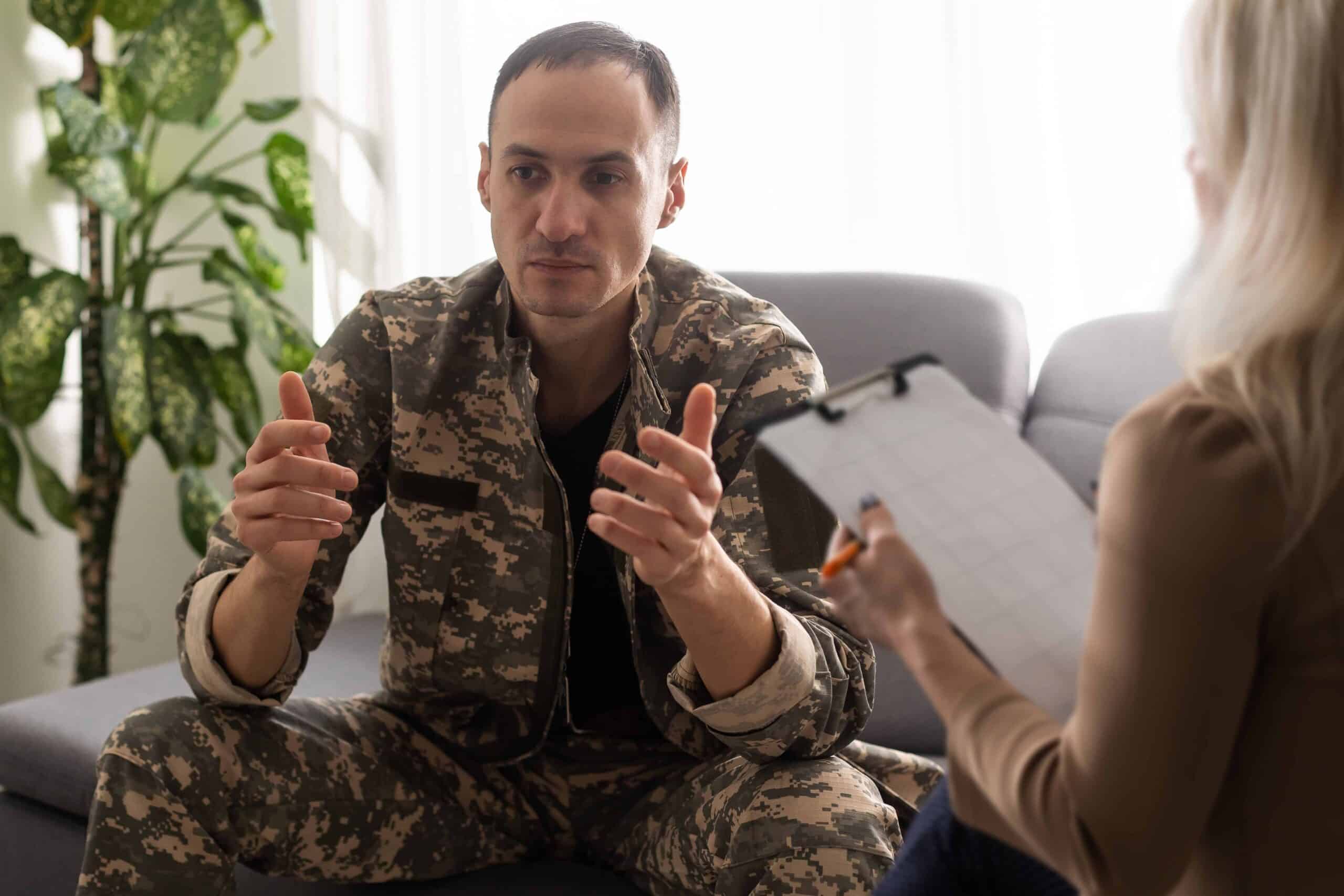
Many men wait until they feel completely overwhelmed before seeking support. But therapy does not have to be a last resort.
Support can be helpful when:
- You feel more irritable than usual
- You are withdrawing from people you care about
- Work or stress feels impossible to turn off
- You feel disconnected from yourself
- You are carrying grief, trauma or pressure alone
- You are going through a major life transition
- You want to show up differently in your relationships
You do not have to prove that your pain is “bad enough” to deserve care.

Support for Men’s Mental Health in Gilbert, AZ
At Nova Psychotherapy Services, we provide compassionate, trauma-informed therapy for men navigating anxiety, stress, trauma, life transitions and emotional overwhelm. Our work is grounded in respect, curiosity, and the belief that healing does not require abandoning strength – it requires making room for the full human experience.
If you have been carrying things alone, support is available. Therapy can help you feel more grounded, better understood, and more connected to yourself and the people who matter most.
Call (602) 890-0218 or get in touch with us here today.