
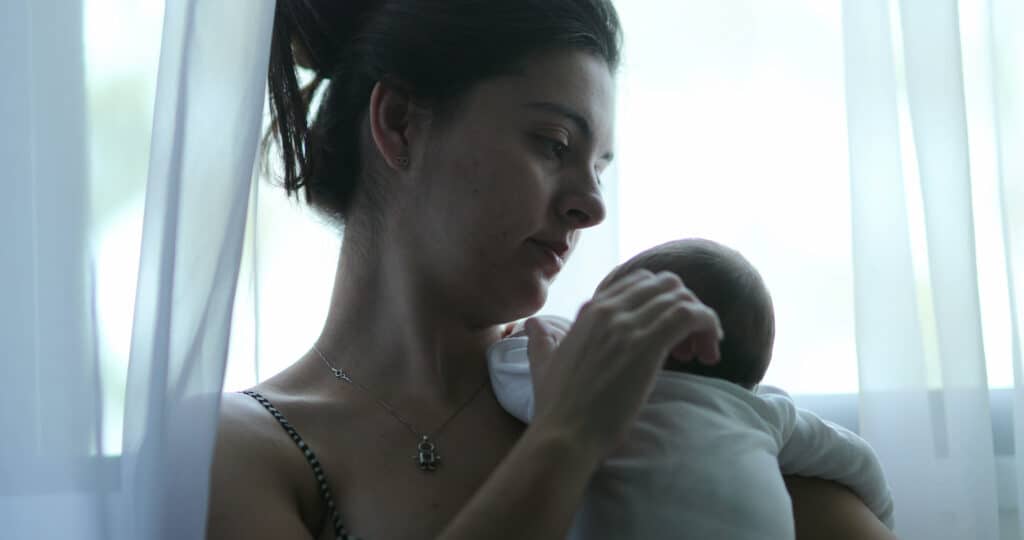
“You have a healthy baby. That’s what matters.”
For many mothers, those words are meant to comfort. But when birth was frightening, overwhelming, or felt out of control, hearing that everything “turned out fine” can deepen the isolation.
A healthy outcome does not cancel out a traumatic experience.
Birth trauma is real, even when there are no obvious complications.
Even when everyone says you should be grateful.
Even when you’re holding a beautiful, healthy child in your arms.
Two things can be true at the same time: You can love your baby deeply and still be hurting from how the birth unfolded.

What Is Birth Trauma?
Birth trauma is not defined solely by medical emergencies. It is defined by how the experience was perceived and processed by your nervous system.
A birth may be traumatic if you experienced:
- A sudden emergency or unexpected intervention
- Loss of control or lack of informed consent
- Feeling unheard, dismissed, or ignored
- Intense fear for your own life or your baby’s
- Physical pain that felt overwhelming or unmanaged
- Separation from your baby after delivery
Trauma occurs when the body feels unsafe and overwhelmed, especially in moments when vulnerability is already high.
Why “But Your Baby Is Healthy” Can Feel Invalidating
When others focus only on the outcome, it can unintentionally minimize what you endured.
Statements like:
- “At least the baby is okay.”
- “That’s just how birth goes.”
- “All that matters is a healthy baby.”
can send the message that your emotional experience doesn’t count.
But birth is not just a medical event. It is a profound physical, emotional, and psychological transition. When that transition includes fear, helplessness, or violation of expectations, the nervous system may store it as trauma.
Validation is often the first step toward healing.

How Birth Trauma Shows Up After Delivery
Birth trauma doesn’t always look dramatic. It can appear quietly in the weeks or months postpartum.
Emotionally
- Intrusive memories of the birth
- Sudden waves of panic or sadness
- Feeling detached or numb
- Irritability or hypervigilance
Physically
- Increased startle response
- Difficulty sleeping, even when exhausted
- Racing heart when reminded of the birth
- Tension or shutdown
Relationally
- Difficulty bonding
- Avoidance of medical settings
- Fear of future pregnancies
- Withdrawal from conversations about birth
Many mothers question themselves: “If my baby is healthy, why do I still feel this way?”
The answer is simple: because your body remembers.

The Nervous System Doesn’t Measure Outcomes – It Measures Safety
Trauma is not about statistics. It is about perception.
If during birth your nervous system registered:
- Danger
- Powerlessness
- Lack of control
- Intense fear
then your body may still respond as though that danger is present.
This is why reminders – a hospital smell, a medical show, a future OB appointment – can trigger emotional or physical reactions long after delivery.
Understanding birth trauma through a nervous system lens helps remove shame. You are not “overreacting.” Your system is doing what it was designed to do: protect you.

When Gratitude and Grief Coexist
Many mothers feel guilt for struggling after a “successful” birth. They believe they should be grateful – and they are! But gratitude does not erase grief.
You can be thankful for your baby and still mourn:
- The birth experience you hoped for
- The loss of control
- The fear you felt
- The support you didn’t receive
- The version of yourself you were before
Healing often begins when we allow space for both joy and sorrow to exist together.
How Therapy Supports Healing from Birth Trauma
Therapy provides a space where your experience is not minimized.
Naming the Experience
Sometimes simply hearing “that sounds so scary” can feel deeply relieving, especially when your experience has been dismissed.
Processing the Memory
Trauma-informed therapy helps you revisit the birth experience in a safe, structured way so the emotional charge begins to soften.
Restoring a Sense of Safety
Therapy supports nervous system regulation, helping your body learn that the danger has passed.

How EMDR Can Help with Birth Trauma
EMDR (Eye Movement Desensitization and Reprocessing) therapy is particularly effective for birth trauma because it helps the brain reprocess distressing memories without requiring you to relive every detail.
EMDR can help:
- Reduce intrusive memories
- Lower emotional intensity
- Address fear of future pregnancies
- Release feelings of guilt or shame
- Restore a sense of empowerment
By allowing the brain to integrate what happened, EMDR helps shift the birth experience from something that feels present and overwhelming to something that feels past and manageable.
You Deserve to Be Heard
If your birth left you shaken, confused, or hurting – even with a healthy baby – your experience matters.
Support is not reserved for worst-case scenarios. It is available for anyone whose nervous system still feels unsettled after birth.
You are allowed to hold your baby with love and still say, “That was hard.”
You are allowed to seek healing, even when others think you should be fine.

A Compassionate Path Forward
At Nova Psychotherapy Services, we provide trauma-informed care for mothers navigating birth trauma, perinatal anxiety, and postpartum emotional challenges. Healing does not mean forgetting what happened – it means integrating it in a way that restores safety, clarity, and self-trust.
If your birth experience continues to linger in your body or thoughts, support is available.