

Trauma therapy is not one-size-fits-all.
For some people, healing begins with talking through their experiences. For others, the body still reacts even after they understand what happened. They may know they are safe, but still feel anxious, guarded, numb or easily triggered.
This is where approaches like EMDR can be especially helpful.
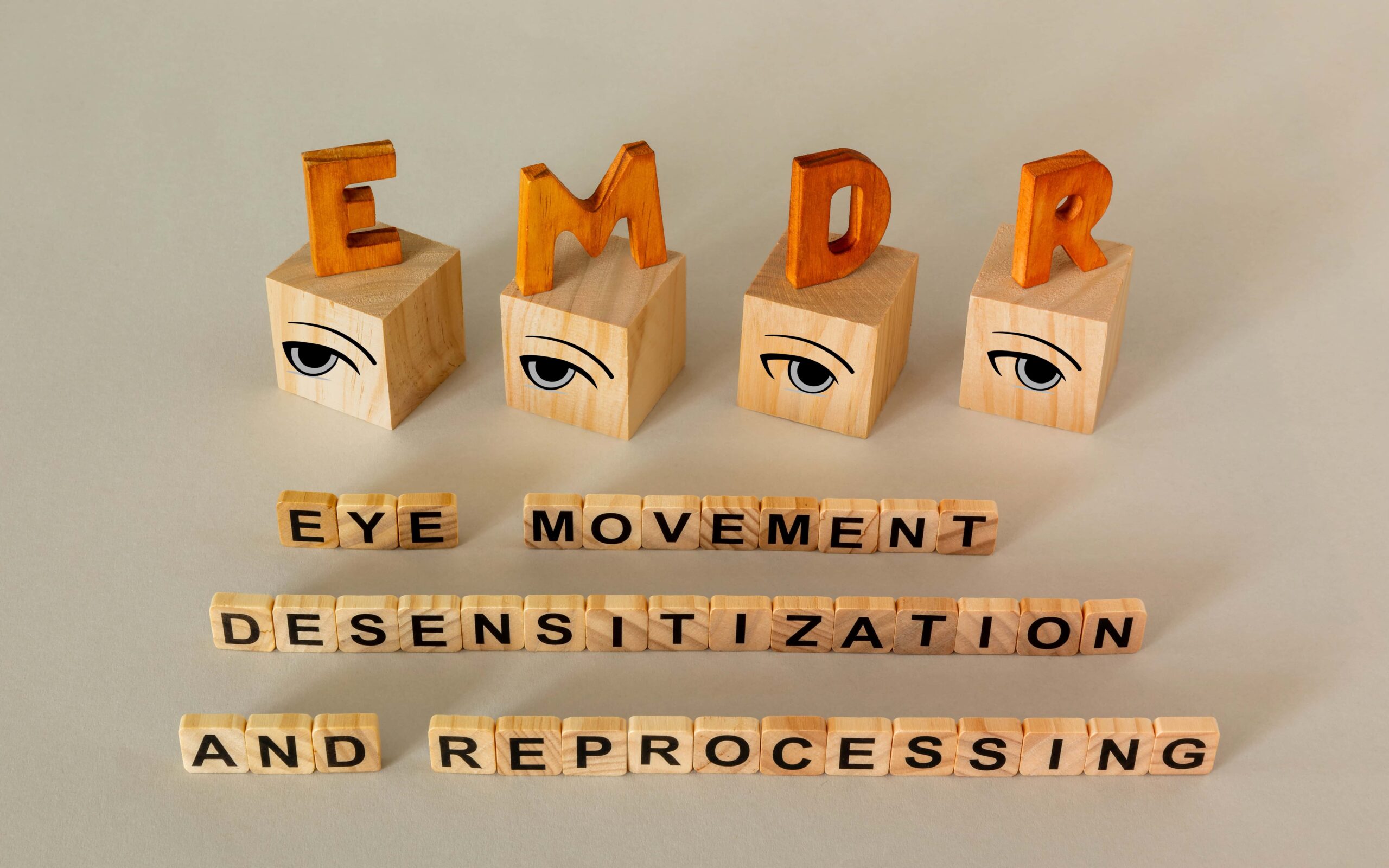
EMDR, or Eye Movement Desensitization and Reprocessing, is a trauma therapy approach designed to help the brain and nervous system process distressing experiences that feel stuck. But EMDR is not the only option, and it may not be the right starting point for everyone.
Understanding your options can help you feel more informed, empowered and supported as you consider what kind of care may fit your needs.

What Is Trauma Therapy?
Trauma therapy focuses on the way overwhelming experiences affect the mind, body, relationships and nervous system.
Trauma can come from a single event, such as an accident, birth experience, assault, combat exposure or medical emergency. It can also come from repeated or ongoing experiences, such as childhood instability, emotional neglect, relational harm, infertility, loss or chronic stress.
Trauma therapy may support people who experience:
- Intrusive memories
- Anxiety or panic
- Emotional numbness
- Hypervigilance
- Difficulty trusting others
- Feeling disconnected from the body
- Avoidance of certain places, people, or conversations
- Strong reactions that feel bigger than the current moment
The goal of trauma therapy is not to force someone to relive painful experiences. It is to help the nervous system process what happened in a safe, supported way.
What Makes EMDR Different?
Traditional talk therapy often focuses on insight, reflection and understanding patterns. These are valuable parts of healing.
EMDR works differently because it helps the brain reprocess distressing memories at a nervous-system level.
During EMDR, a therapist uses bilateral stimulation, such as eye movements, tapping, or alternating tones, while the client briefly focuses on a target memory, belief or body sensation. This process helps the brain integrate the experience so it no longer feels as emotionally intense or present.
Many people describe the result this way:
“I still remember what happened, but it doesn’t feel like it controls me anymore.”
EMDR does not erase memories. It helps change how those memories are stored and experienced.

When EMDR May Be a Good Fit
EMDR may be helpful when distress is connected to specific memories, triggers or deeply held beliefs.
It may be a good fit if you experience:
- Trauma symptoms that still feel active
- Anxiety connected to past experiences
- Birth trauma or medical trauma
- Combat trauma or first responder stress
- Grief or loss that feels stuck
- Infertility-related trauma
- Panic, hypervigilance, or emotional flooding
- Negative beliefs such as “I’m not safe,” “I’m powerless,” or “It was my fault”
EMDR can be especially useful when someone has already talked about what happened but still feels the emotional or physical reaction in their body.
That disconnect – “I understand it logically, but I still feel it physically” – is often where EMDR can help.
When EMDR Might Not Be the First Step
EMDR can be powerful, but good trauma therapy moves at the pace of safety.
Before beginning EMDR reprocessing, some people need time to build stabilization skills, emotional regulation tools, or a stronger sense of support.
EMDR may not be the first step if someone is currently experiencing:
- Severe emotional overwhelm
- Unsafe living conditions
- Active crisis
- Significant dissociation
- Limited coping tools
- Ongoing instability that makes deeper trauma work feel too activating
This does not mean EMDR will never be appropriate. It simply means preparation matters.
A trauma-informed therapist can help determine whether the best starting point is EMDR, stabilization work, traditional therapy, coping skills or a combination of approaches.

Other Trauma Therapy Options
While EMDR is a strong option for many people, trauma therapy can include several approaches depending on the individual’s needs. These options include:
Trauma-Informed Talk Therapy
This approach creates space to explore experiences, emotions, patterns, and relationships without judgment. It focuses on safety, choice, collaboration, and empowerment.
Somatic and Nervous System Regulation
Trauma often lives in the body. Regulation work may include grounding, breath awareness, body-based coping tools, and noticing physical cues of safety or activation.
Cognitive and Belief-Based Work
Some trauma therapy focuses on understanding how painful experiences shaped beliefs about self, safety, control, or relationships.
Perinatal Mental Health Support
For individuals navigating infertility, pregnancy, postpartum, birth trauma, or pregnancy after loss, trauma therapy may need to account for the emotional and physical realities of the perinatal period.
The right approach depends on the person, the trauma, the timing and what feels tolerable and supportive.

How to Know What Kind of Therapy You Need
It is normal not to know where to start.
You may benefit from trauma therapy if you notice that past experiences are affecting your present-day life, relationships, emotions or sense of safety.
Questions to consider include:
- Do I feel stuck in the same emotional patterns?
- Do certain reminders feel overwhelming?
- Does my body react before I can think clearly?
- Do I avoid talking about certain experiences?
- Do I feel disconnected, numb, or constantly on alert?
- Have I tried to “move on,” but something still feels unresolved?
You do not need to have the perfect words for what you are experiencing. Therapy can help you understand what is happening and what kind of support may be most appropriate.

What to Expect When Starting Trauma Therapy
Starting trauma therapy does not mean diving into the hardest parts of your story right away.
A thoughtful therapist will begin by learning about your symptoms, history, goals and current coping tools. The early stages often focus on:
- Building trust
- Understanding your nervous system
- Identifying triggers
- Strengthening grounding skills
- Creating a sense of safety
- Choosing therapy goals together
If EMDR becomes part of the process, preparation happens first. You should understand what to expect, have tools to manage emotional activation, and feel supported throughout the process.
Trauma therapy should never feel rushed or forced.

Healing Does Not Have to Look One Way
Some people need EMDR. Some need talk therapy. Some need nervous system regulation first. Many benefit from a combination.
There is no “right” way to begin healing.
What matters most is that therapy feels safe, collaborative and aligned with your needs. The goal is not to push through pain. The goal is to help your mind and body experience more freedom, stability and connection in the present.

Support for Trauma Therapy and EMDR in Gilbert, AZ
At Nova Psychotherapy Services, we provide compassionate, trauma-informed care for individuals navigating trauma, anxiety, perinatal mental health challenges, life transitions, and emotional overwhelm. Our work may include EMDR therapy when appropriate, along with other supportive approaches that meet you where you are.
If you are wondering whether EMDR or trauma therapy is right for you, you don’t have to figure it out alone. Support is available to help you understand your options and take the next step at a pace that feels safe.
Give us a call at (602) 890-0218 or start the conversation here today.