
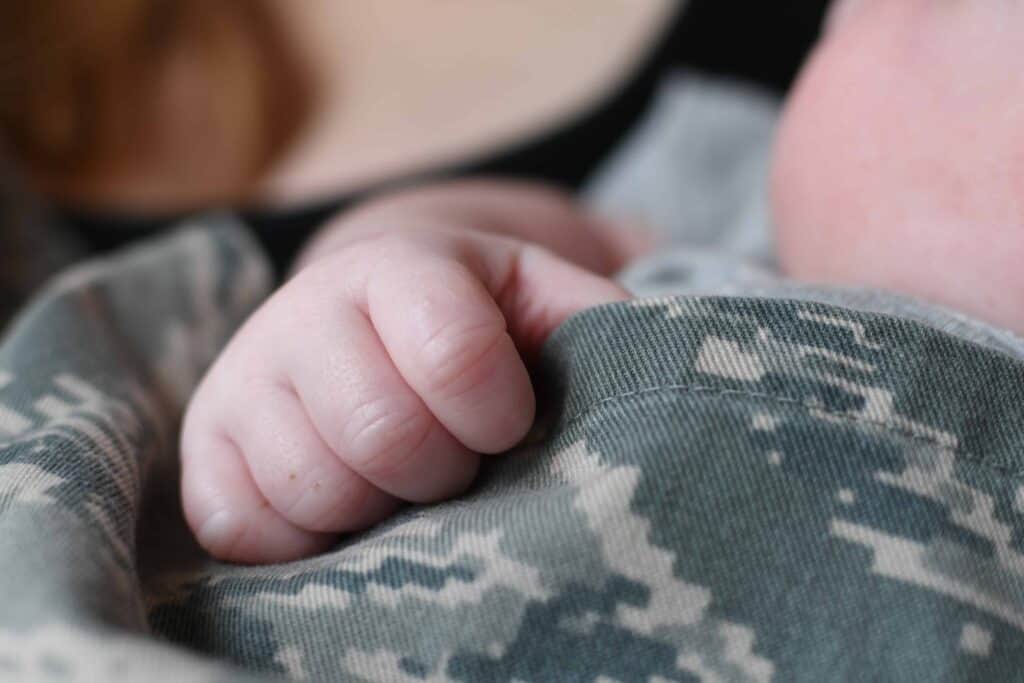
A positive pregnancy test comes two weeks before deployment orders. The baby’s first kicks happen during a video call from halfway across the world. Labor begins while your partner is on a mission and unreachable.
For many military families, these moments are not rare or dramatic. They are simply part of life. Pregnancy, birth, and early parenthood often unfold on a timeline that does not match the military’s schedule, creating challenges that civilians rarely experience.
Military families carry the usual pressures of new parenthood while also managing separation, uncertainty, and the constant expectation to be strong. Understanding these stressors, and knowing that specialized support exists, can help families feel less alone during such an important season of life.
The Hidden Struggles Military Families Face: When “Being Strong” Becomes Overwhelming
Military culture values toughness and resilience. These traits help service members in the field, but they often make it harder to ask for help during pregnancy or postpartum recovery. Many military spouses feel pressure to hold everything together, even when they are exhausted, anxious, or struggling through complications.
Anxiety is not weakness. Depression is not failure. Birth trauma does not mean you should “push through.” Many military families delay getting help because they believe they should be able to handle everything on their own, even when that expectation is unrealistic and unfair.

When Military Timelines Collide With Parenthood
Pregnancy and postpartum needs follow their own schedule. The military does not. Common situations include:
- Early pregnancy symptoms handled alone
- Important appointments missed due to deployments or training
- Birth happening while a partner is away
- Solo postpartum recovery while caring for a newborn
These experiences can create grief, stress, and disconnect that affect both partners long after the moment has passed.

Unique Mental Health Challenges for Military Parents
Hypervigilance and New Parent Anxiety
Service members are trained to assess threats. When a baby arrives, this can heighten anxiety, disrupt sleep, and activate existing PTSD symptoms. Partners at home often experience their own form of hypervigilance, monitoring both the baby and the deployment situation. This level of stress takes a toll on the nervous system.
When Birth Trauma Meets Previous Trauma
A difficult birth experience can activate old wounds from combat trauma, military sexual trauma, or previous deployments. Certain medical situations, sounds, or loss-of-control moments during labor can feel familiar in uncomfortable ways. Partners may experience trauma too, especially if they faced pregnancy complications or felt alone during the process.
Reintegration During the Fourth Trimester
When a service member returns home shortly after birth, the family must adjust while still in the fragile early weeks of parenthood. The at-home partner may have established routines during months of solo parenting. The returning partner may feel disconnected or unsure how to step in. Both may feel a mix of relief, joy, guilt, frustration, and confusion.
Geographic Isolation
Military families often move far from their support system. A new duty station might mean switching healthcare providers midway through pregnancy or giving birth without nearby family to help. Isolation becomes even heavier when the service member is deployed during this time.

Why Specialized Support Matters
Understanding Military Life
Therapists who understand military culture, acronyms, and deployment cycles can help families move forward without needing to explain the basics. This creates comfort, trust, and quicker progress.
How EMDR Helps Military Families
EMDR therapy can be especially useful for military parents because it helps with:
- Pre-existing trauma that resurfaces during pregnancy or birth
- Birth trauma for either partner
- Anxiety about future deployments
- Emotional pain from missed milestones
- Medical or NICU-related stress
EMDR lowers the emotional intensity of these experiences without requiring long or detailed storytelling.
Supporting Both Parents
Strong perinatal support includes both partners:
- For service members: Guilt about missed moments, adjusting to the new family dynamic, navigating trauma triggers.
- For partners: Validation of solo parenting experiences, resentment or grief, and rebuilding connection.
- For couples together: Communication support, emotional reconnection, and working through layered stress.

You Deserve Support
Reaching out for help is not a sign of weakness. It is a form of family readiness. If any of the following feel familiar, support may help:
- Deployment anxiety affecting pregnancy or postpartum
- Birth did not go as planned
- Postpartum feels more difficult than expected
- Reintegration is confusing or stressful
- Old trauma is resurfacing
- You feel overwhelmed by the weight of military life and parenthood
You do not have to work through these challenges alone.
A Path Forward
Trauma-informed therapy can help military families:
- Process birth and deployment-related stress
- Build tools for solo parenting
- Strengthen the bond between partners
- Heal from layered or compounded trauma
- Stay connected even across distance
- Create stability for their growing family
Your service and sacrifice matter, and your emotional wellbeing matters just as much.

Taking the First Step
Asking for help can feel vulnerable, especially in a culture that celebrates toughness. But the strongest families are the ones who know when they need extra support.
At Nova Psychotherapy Services, we understand the unique challenges military families face during pregnancy, birth, and early parenthood. Our team specializes in trauma-informed care and EMDR therapy and is working toward Tricare authorization to better serve military families in Arizona.
Your family deserves support, healing, and a safe place to grow. And you deserve to feel understood and cared for too.