
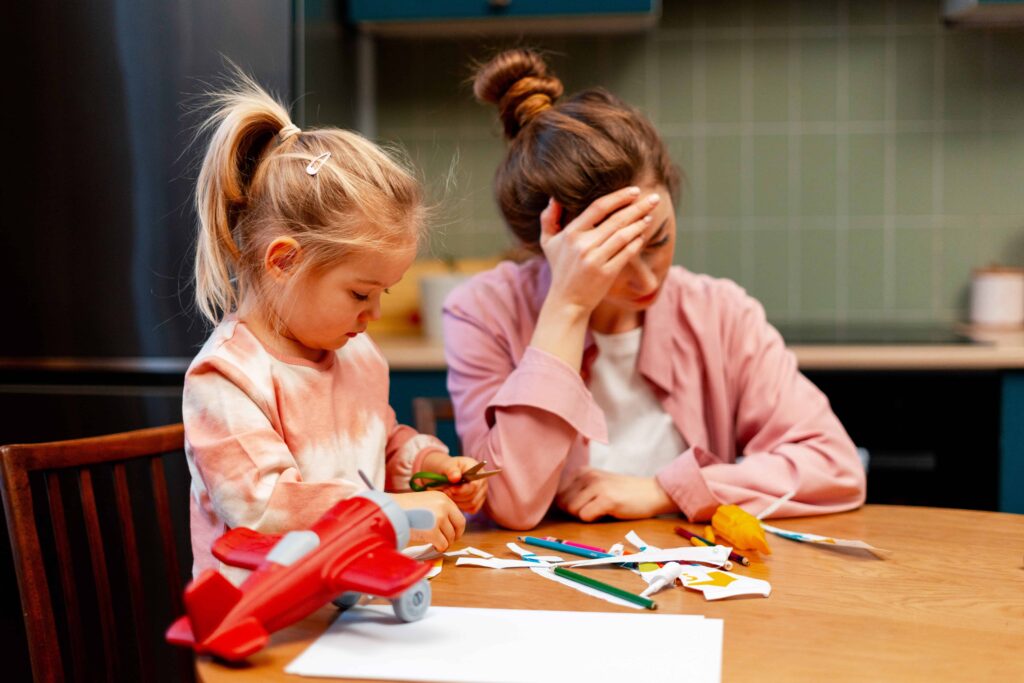
Choosing to become a parent on your own can be deeply empowering and meaningful. For many solo parents by choice, the path to parenthood is not accidental. It’s thoughtful, planned, and rooted in a strong desire to build a family.
But even when the decision is clear, the emotional experience can still be complex.
Solo parenthood by choice can bring joy, pride, and independence. It can also bring anxiety, grief, pressure, loneliness, and moments of uncertainty. Choosing to parent without a partner does not mean choosing to do everything alone emotionally.
Mental health support matters – not because solo parents by choice are less capable, but because the transition into parenthood is profound for anyone.

What It Means to Be a Solo Parent by Choice
Solo parents by choice are individuals who intentionally pursue parenthood without a romantic partner or co-parent. This may happen through donor conception, adoption, fertility treatment, surrogacy, or other family-building paths.
For many, this choice reflects strength, clarity, and agency. It may come after years of waiting, shifting timelines, reevaluating relationships, or deciding that the desire to parent should not depend on finding the “right” partner.
At the same time, it can come with emotional layers that others may not always understand.
Solo parents by choice may carry questions like:
- Will I have enough support?
- How will I explain my family structure to others?
- What happens if I get overwhelmed?
- Can I give my child everything they need?
- Who will support me when I need support?
These questions do not mean the choice is wrong. They mean the decision is human.

The Emotional Complexity of Choosing Parenthood Alone
People often assume that because solo parenthood was chosen, it must feel simple. But choosing something does not mean it is free of grief, fear, or vulnerability.
A solo parent by choice may feel:
- Excited and terrified at the same time
- Proud of their independence and aware of the weight of responsibility
- Grateful for the path forward and sad about the path that did not happen
- Empowered by the decision and overwhelmed by the logistics
There may also be grief around the imagined version of parenthood that included a partner, shared milestones, or a different kind of family structure.
That grief does not take away from the joy of becoming a parent. Both can exist together.
Why the Perinatal Period Can Feel Especially Intense
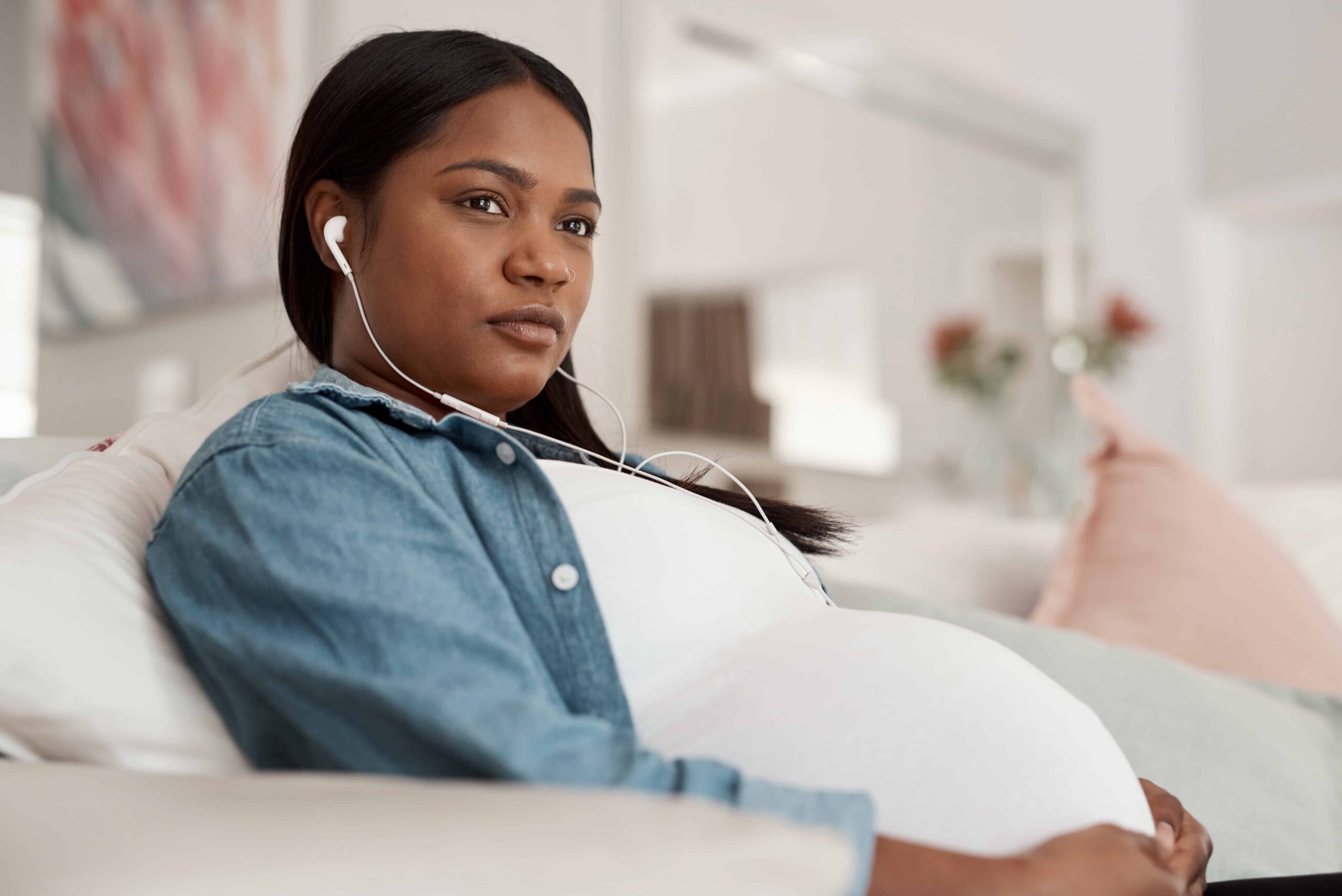
Pregnancy, postpartum recovery, fertility treatment, adoption preparation, or newborn care can stretch emotional capacity even with strong support. For solo parents, the intensity can feel magnified because the planning and decision-making often fall primarily on one person.
This season may involve:
- Medical appointments attended alone
- Fertility decisions without a partner to process them with
- Financial pressure
- Physical exhaustion
- Fear of needing help
- Worry about being judged
- Navigating family or community opinions
The perinatal period is already a major emotional and identity transition. When you are doing it as the primary decision-maker, support becomes even more important.

The Pressure to Prove You Can Handle It
Many solo parents by choice feel pressure to appear extra capable.
Because the decision was intentional, they may feel they have to justify it by seeming confident, organized, and emotionally steady at all times.
This can create internal pressure such as:
- “I chose this, so I shouldn’t complain.”
- “If I struggle, people will think I made the wrong decision.”
- “I have to be stronger than everyone else.”
- “I can’t ask for too much help.”
But needing support does not mean you made the wrong choice. It means you are moving through one of life’s biggest transitions.
Parenthood was never meant to happen in isolation.
Building a Support System Before You Need One
One of the most protective steps for solo parents by choice is building support before crisis or exhaustion sets in.
Support may include:
- Trusted family members or friends
- A therapist
- A postpartum doula
- Parent groups
- Faith or community spaces
- Fertility or adoption support networks
- Practical help for meals, rides, errands, or childcare
A support system does not have to look traditional to be meaningful. What matters is that it is reliable, emotionally safe, and realistic.
Having support in place allows solo parents to move through parenthood with more stability, confidence, and connection.

How Therapy Supports Solo Parents by Choice
Therapy can provide a steady place to process the emotional layers of solo parenthood without judgment.
Support may focus on:
Navigating Anxiety and Uncertainty
Therapy can help manage fears about pregnancy, parenting, finances, support systems, or the future.
Processing Grief and Ambivalence
Even wanted decisions can include grief. Therapy gives space to acknowledge what feels complicated without shame.
Strengthening Boundaries
Solo parents often need clear boundaries around unsolicited opinions, family involvement, or expectations from others.
Exploring Identity Shifts
Becoming a parent changes how you see yourself. Therapy can support the transition into this new identity with compassion and clarity.
Planning for Emotional Sustainability
Support can help identify realistic coping tools, rest strategies, and community resources before burnout begins.

You Are Not Less of a Family
Solo-parent families are complete families.
A child’s wellbeing is not determined by whether their family fits a traditional mold. Children benefit from love, safety, consistency, emotional presence, and supportive relationships.
Solo parents by choice often build families with deep intentionality. Many create strong communities around their children and model courage, honesty, and resilience.
Your family does not need to look like someone else’s to be whole.
When to Reach Out for Support
You do not need to wait until you are overwhelmed to seek therapy.
Support may be helpful if you are:
- Feeling anxious about the path ahead
- Struggling with grief, comparison, or uncertainty
- Feeling pressure to prove yourself
- Navigating fertility treatment, pregnancy, or postpartum as a solo parent
- Feeling isolated or emotionally exhausted
- Preparing for a major parenting transition
- Wanting a safe place to process your experience
Therapy is not about questioning your decision. It is about supporting you as you live it.
Support for Solo Parents in Gilbert, AZ
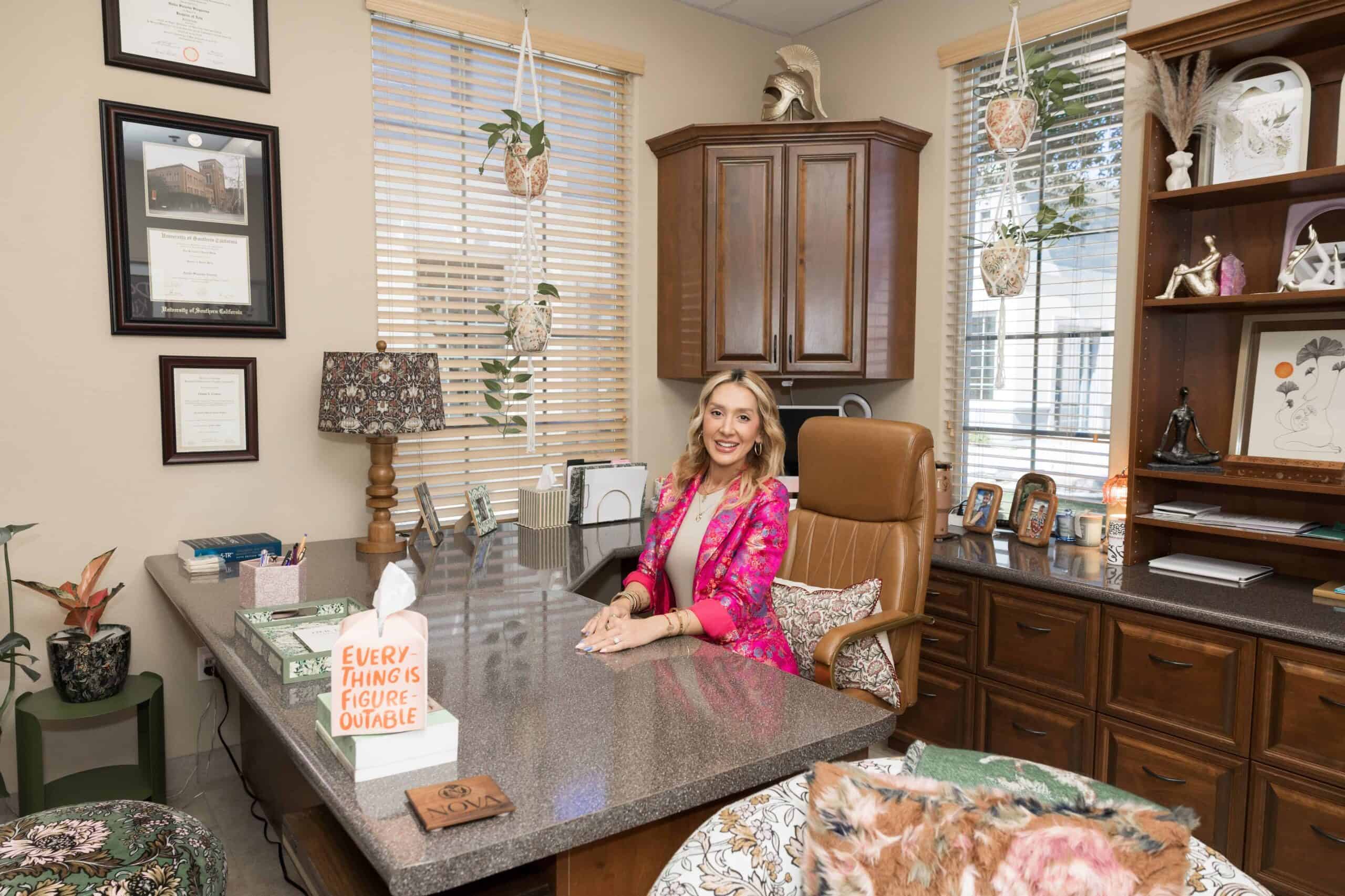
At Nova Psychotherapy Services, we provide compassionate support for individuals navigating solo parenthood by choice, perinatal mental health challenges, life transitions, anxiety, and emotional overwhelm. Therapy offers a space to process the complexity of your experience, build confidence, and strengthen the support you deserve.
Choosing parenthood on your own does not mean you have to move through it unsupported. If you are preparing for or navigating solo parenthood, support is available to help you feel grounded, connected, and cared for along the way.
Give us a call at (602) 890-0218 or start the conversation here today.